
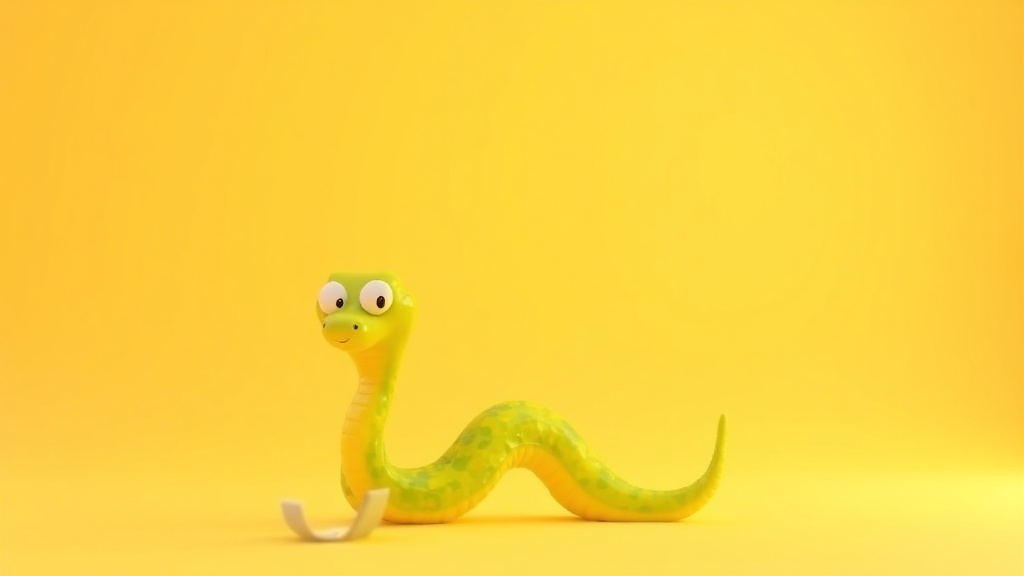
Did you know that some animals exist on every continent except one—Antarctica? You might think of penguins, but we’re talking about slithery, scaly reptiles that inspire both awe and a little bit of the shivers: SNAKES!
Snakes are some of history's coolest, strangest animals! These legless wonders have been around for a super long time—scientists think the oldest snake fossils are from over 143 million years ago! With over 4,000 known species of snakes in the world today, they come in every size and color imaginable, from tiny snakes that fit on a coin to giants over 22 feet long! This is the ultimate guide to everything amazing about snakes for kids.

Mira says:
"I used to think snakes were just scary, but learning how they use their tongues to 'smell' the air and how their whole body moves without any legs is seriously mind-blowing! They are nature's super-smooth movers."
What Are Snakes, Anyway?
Snakes are reptiles, just like lizards, turtles, and crocodiles! But they have some super unique features that make them different. The most obvious thing is that they don't have any legs—they are limbless! They are also covered head-to-tail in scales, which are like tiny, smooth pieces of armor.
Unlike us, snakes can't control their own body temperature. We call them ectothermic, which just means they rely on the sun or warm rocks to heat up, kind of like solar panels! That’s why you often see them basking in the sun.
Mind-Blowing Fact!
Snakes don't have eyelids! This means they can't blink, and they actually sleep with their eyes wide open! That clear scale protecting their eye is called a spectacle.
How Do Snakes Move and Sense the World?
If you don't have legs, how do you get around? Snakes are masters of movement! They have incredible, flexible bodies built with lots and lots of bones. While humans have about 33 bones in their backbone, snakes can have anywhere from 100 to 400 vertebrae (those are the backbone bones)!
These bones, along with strong muscles, let them move in different ways. They can slither in a wiggle pattern called lateral undulation (like a wave), move in a straight line, or even sideways like a crab to move across loose sand!
Of snakes in the world
Snakes have in their backbone
That lay eggs (the rest give live birth)
Shedding Skin: Snake Style!
Since a snake's skin doesn't stretch much, they have to get rid of the old, tight layer so they can grow! This is called ecdysis, but you can just call it shedding. It’s not just for growing; it also helps them get rid of any tiny bugs living on their skin and fix up any scratches.
Before a big shed, a snake's eyes look cloudy or milky because fluid builds up between the old and new skin. Once the skin starts to peel, they rub against a rough surface, and if they are healthy, the old skin peels off in one giant, whole piece—like taking off a sock inside-out!
How Often Do Snakes Shed?
This changes a lot depending on how old the snake is. Young snakes are growing super fast, so they might shed their skin every few weeks! Older, grown-up snakes don't grow as fast, so they might only shed a couple of times a year.
💡 Did You Know?
Snakes don't use their nostrils to smell things well! Instead, they use their amazing, forked tongues to 'taste' the air. They flick it out, collect tiny scent particles, and bring them back to a special part of their mouth called the Jacobson’s organ to figure out what’s nearby—it’s like smelling in 3D!
🎯 Quick Quiz!
What is the special word for when a snake sheds its skin to make room to grow?
Venom vs. Constriction: How Snakes Eat Big Meals
Snakes are carnivores, meaning they only eat meat. But they have two main ways to catch their food since they can’t chew—they swallow it whole! Some snakes use venom, a special toxin they deliver with hollow teeth called fangs, to quickly stop their prey.
Other snakes are constrictors, like pythons and anacondas. They wrap around their prey and squeeze until the animal can no longer breathe. Their jaws are so stretchy, they can swallow animals much bigger than their own heads!
- The Longest: The Reticulated Python can reach over 22 feet (almost as long as a school bus!).
- The Danger Question: Only about 600 of the 4,000+ snake species have venom.
- Where They Live: Snakes are found almost everywhere on Earth, but you won't find them naturally in Iceland, Ireland, or Antarctica!
- Cold-Blooded Power: Because they are ectothermic, some snakes can go up to six months without a single meal!
From the tiny Barbados threadsnake to the massive Green Anaconda, snakes are vital parts of nature's puzzle, keeping animal populations balanced. They might seem mysterious, but understanding their history and biology shows just how perfectly they are built for their environment!
Questions Kids Ask About Animals & Nature
Keep Exploring the Wild World!
We hope you feel a little less scared and a lot more excited about these amazing reptiles! Next time you see a snake (or even a picture of one!), remember their incredible tongues, their amazing ability to shed their skin, and their long history on Earth. History isn't just about kings and castles—it’s about every awesome creature that shares our planet!